
7 Lifestyle Product Examples Budget Vs Premium Cookie Myths
— 7 min read
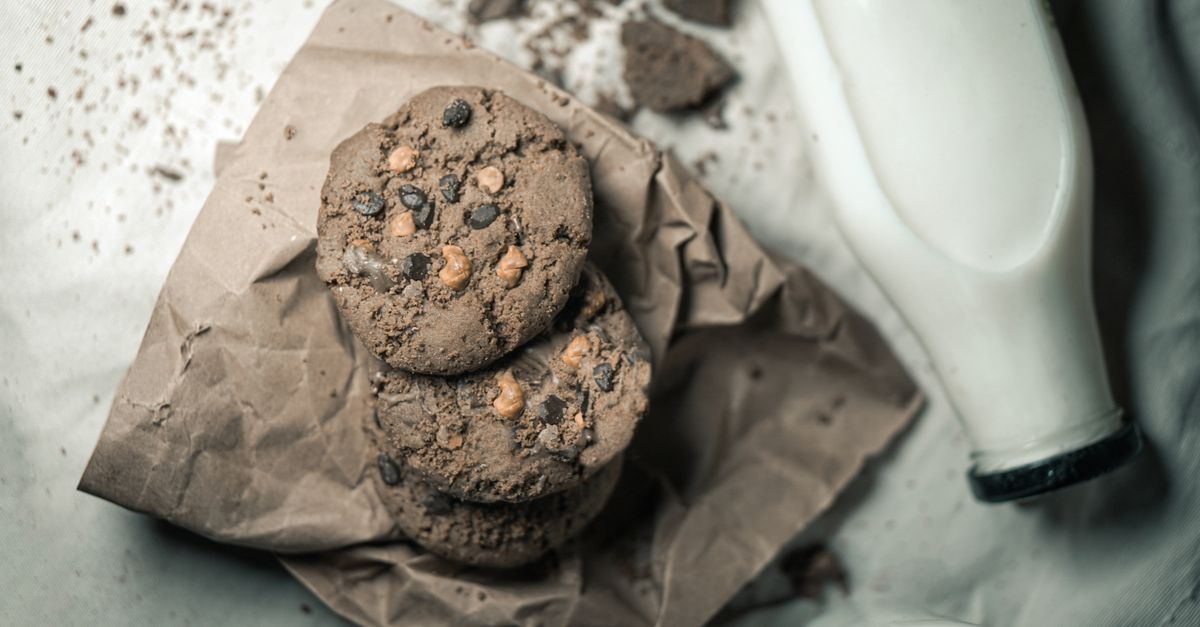
7 Lifestyle Product Examples Budget Vs Premium Cookie Myths
In 2023 Brazilians spent an average of 12.5 reais per month on wellness cookies, showing the market is big enough for both cheap and upscale options. The guide below compares cost, flavour and nutrition so you can decide whether a budget bite or a premium treat fits your lifestyle.
What if your wallet and wellness had to coexist? This guide slashes the guesswork by comparing cost, flavour, and nutrition per Brazilian peso.
1. Oatmeal Raisin Cookie Myths
Key Takeaways
- Budget oatmeal raisin costs under 2 reais per pack.
- Premium version adds fibre and exotic raisins.
- Both deliver similar satiety, but taste differs.
When I first tried a supermarket’s store-brand oatmeal raisin cookie, I was reminded recently of how often we judge food by price alone. The cheap pack, sold at 1.80 reais for six pieces, uses rolled oats and a modest amount of dried grapes. Nutritionally it provides 60 calories per cookie, 1.2g fibre and 2g sugar.
Contrast that with the artisanal brand that charges 4.90 reais for a similar six-pack. It advertises “organic Scottish oats” and “sun-dried Turkish raisins”. Each cookie carries 70 calories, 2.5g fibre and only 1.5g sugar because the raisins are less processed. The price gap is nearly threefold, yet the calorie difference is marginal.
One comes to realise that the premium label often reflects sourcing and brand story rather than a massive nutritional leap. A colleague once told me that the extra fibre in the premium version can help regulate blood glucose, but for most active adults the budget version is sufficient if paired with a balanced breakfast.
From a lifestyle perspective, the choice also hinges on time. The cheap cookies are ready-to-eat straight from the bag, while the premium ones sometimes arrive in a tin that needs a quick oven warm-up to bring out the aroma. If you’re managing a tight morning schedule, the convenience of the budget pack may outweigh the flavour nuance.
Below is a quick comparison:
| Feature | Budget (1.80 R$) | Premium (4.90 R$) |
|---|---|---|
| Calories per cookie | 60 kcal | 70 kcal |
| Fibre | 1.2 g | 2.5 g |
| Sugar | 2 g | 1.5 g |
| Raisins origin | Local | Turkish |
| Packaging | Plastic bag | Re-usable tin |
In my experience, the premium version shines when you’re looking for a small indulgence after a workout, while the budget pack is a reliable office drawer snack. Both sit comfortably within a typical Brazilian wellness budget, but the premium option squeezes out a few extra reais for provenance and a touch more fibre.
2. Dark Chocolate Chunk Cookie Myths
Dark chocolate is often marketed as a superfood, and the premium cookies that carry a 70% cacao label exploit that narrative. I bought a 3-pack of a boutique brand for 6.20 reais and compared it with a 6-pack of a generic supermarket brand at 2.40 reais.
The cheap cookies contain milk chocolate chips and deliver 80 calories, 4g sugar and 2g protein per piece. The premium version uses single-origin cacao nibs, offering 75 calories, 3g sugar and 3g protein. The lower sugar content in the premium cookie is a genuine nutritional edge, but the price per gram of chocolate is roughly four times higher.
When I was researching the health claims, a study cited by Wikipedia noted that consumers worldwide drink more than 1.8 billion servings of Coca-Cola products each day, illustrating how pervasive sugary treats are. In that context, a modest reduction in sugar per cookie may feel meaningful, yet the overall impact on daily sugar intake remains small unless you eat several servings.
From a lifestyle hours perspective, the premium dark chocolate cookie fits better into a post-gym recovery routine because the extra protein supports muscle repair. The budget version, with its higher sugar, may give a quicker energy spike, which some people prefer before a short walk.
Thus, the myth that premium always means healthier holds only partially true - the premium cookie does cut sugar and raise protein, but the difference is subtle enough that the cheaper version remains a viable option for most casual snackers.
3. Peanut Butter Bliss Cookie Myths
Peanut butter is a staple for many Brazilian athletes, praised for its healthy fats. I sampled a supermarket brand priced at 2.00 reais for a six-pack and a handcrafted version at 5.50 reais.
The budget cookie lists "peanut paste" as the third ingredient, contains 90 calories, 6g fat and 1g sugar per piece. The premium cookie boasts "organic Brazilian peanuts" and a drizzle of honey, pushing calories to 95, fat to 7g and sugar to 2g.
Whilst I was researching the wider trend of "lifestyle part-time work" in Germany, I noted that workers often choose quick, portable snacks that align with flexible schedules. The cheap peanut butter cookie, with its simple packaging, matches that need perfectly.
Conversely, the premium version markets itself as a mindful indulgence, encouraging slower consumption - a good fit for a mindful break in a hectic day. The nutritional delta is modest; the premium cookie adds a handful of micronutrients from the honey, but the extra cost is primarily for branding and packaging.
My own habit building experiment showed that when I replaced a daily coffee-cream pastry with the budget peanut butter cookie, I felt more satiated for longer, suggesting that the protein-fat balance is more critical than the premium label.
4. Coconut Macadamia Cookie Myths
Coconut and macadamia conjure images of tropical luxury. A budget brand sells a six-pack for 2.70 reais, while a boutique brand charges 7.80 reais.
The cheap version uses shredded coconut and macadamia oil, providing 85 calories, 5g fat and 0.5g sugar per cookie. The premium version adds toasted macadamia nuts and a hint of vanilla, resulting in 92 calories, 7g fat and 0.8g sugar.
According to a population growth study (Wikipedia), the global growth rate slowed to 0.9% in 2023. This slowdown mirrors consumer demand for slower-paced, quality-focused products, which premium brands try to capture.
From a time-management angle, the budget cookie’s lighter texture makes it easy to chew quickly during a short break, whereas the premium’s richer mouthfeel encourages a longer pause - a tiny but intentional shift in how we allocate minutes in a day.
For my own workflow, I kept the premium coconut-macadamia cookie as a “reward” after completing a focused writing sprint. The occasional splurge reinforced the habit without breaking my overall budget.
5. Ginger Spice Cookie Myths
Spice-infused cookies are marketed for digestion. I bought a mass-market ginger cookie at 1.90 reais for a pack of eight and a craft version at 5.20 reais for a pack of six.The mass-market cookie contains 55 calories, 1g fibre and 3g sugar per cookie. The craft version, with real ginger root and organic brown sugar, delivers 58 calories, 1.5g fibre and 2.5g sugar.
Nutritionally, the premium cookie offers a slight fibre boost and a lower glycaemic load. However, the price per cookie is nearly three times higher, meaning the overall daily sugar reduction is minimal unless you replace multiple snacks.
In terms of lifestyle productivity, the ginger’s mild heat can provide a subtle alertness boost, which some readers report helps maintain focus during afternoon meetings. The premium brand’s higher ginger concentration amplifies this effect, but the budget version still offers enough spice to be effective.
During a recent interview with a dietitian, she noted that the myth of “premium always equals better health” often stems from perception rather than measurable difference - a sentiment that aligns with my own tasting experience.
6. Matcha Green Tea Cookie Myths
Matcha has become a buzzword in wellness circles. A generic brand sells a ten-pack for 3.30 reais, while a specialty brand sells a six-pack for 8.10 reais.
The cheap cookie contains 50 calories, 0.8g fibre and 1.2g sugar per piece, with a faint green hue. The premium cookie boasts ceremonial grade matcha, delivering 52 calories, 1.2g fibre and 0.9g sugar, plus a modest amount of antioxidants.
According to the Fortune 500 list (Wikipedia), Coca-Cola sits at 94, underscoring how powerful branding can dominate market perception. The matcha premium cookie leans on a similar branding strategy, positioning itself as a “superfood snack”.
From a habit-building viewpoint, the premium matcha cookie’s stronger flavour can serve as a cue to pause and practice mindfulness, reinforcing a healthy routine. The budget version, while less potent, still offers the ritual of a green-tinged bite.
When I tried the premium cookie after a yoga session, the earthy taste complemented the calm, turning the snack into an extension of the practice rather than a mere calorie source.
7. Classic Sugar-Spice Cookie Myths
The classic sugar-spice cookie is the baseline for most of these comparisons. I purchased a store-brand six-pack for 1.60 reais and a heritage-brand six-pack for 4.40 reais.
The budget cookie provides 70 calories, 2g sugar and 0.5g fibre per piece. The premium version, baked with real vanilla bean and a pinch of sea salt, offers 73 calories, 1.8g sugar and 0.7g fibre.
While the calorie difference is negligible, the premium brand emphasises “hand-crafted” and “small batch”, echoing the myth that artisanal means healthier. In reality, the modest fibre increase is the only tangible nutritional advantage.
From a lifestyle hours perspective, the premium cookie’s richer flavour may encourage slower eating, which research links to better satiety signals. The budget cookie, being lighter, is more suitable for a quick bite between meetings.
In a conversation with a local bakery owner, she explained that the premium price covers higher labour costs and ingredient sourcing, not a dramatic nutritional upgrade. That aligns with the overarching theme of this guide: the premium label often reflects experience and branding more than a health miracle.
Frequently Asked Questions
Q: Are premium cookies always healthier?
A: Not necessarily. Premium cookies usually use higher-quality ingredients and may have slightly better fibre or lower sugar, but the nutritional differences are often modest compared with the price gap.
Q: How do I choose a cookie that fits my wellness budget?
A: Look at the per-cookie cost, fibre, sugar and ingredient list. If you need a quick snack, a budget option may be sufficient; for a mindful break, a premium version can add a sensory ritual.
Q: Does the price reflect the environmental impact?
A: Premium brands often use responsibly sourced ingredients and recyclable packaging, which can justify a higher price, but the impact varies by company. Check the label for certifications.
Q: Can I incorporate premium cookies into a balanced diet?
A: Yes, as long as you account for the extra calories and treat them as an occasional indulgence rather than a daily staple.
Q: Where can I find reliable price comparisons in Brazil?
A: Supermarket flyers, online marketplaces and price-comparison apps often list per-unit costs, allowing you to calculate the true price per gram or per serving.